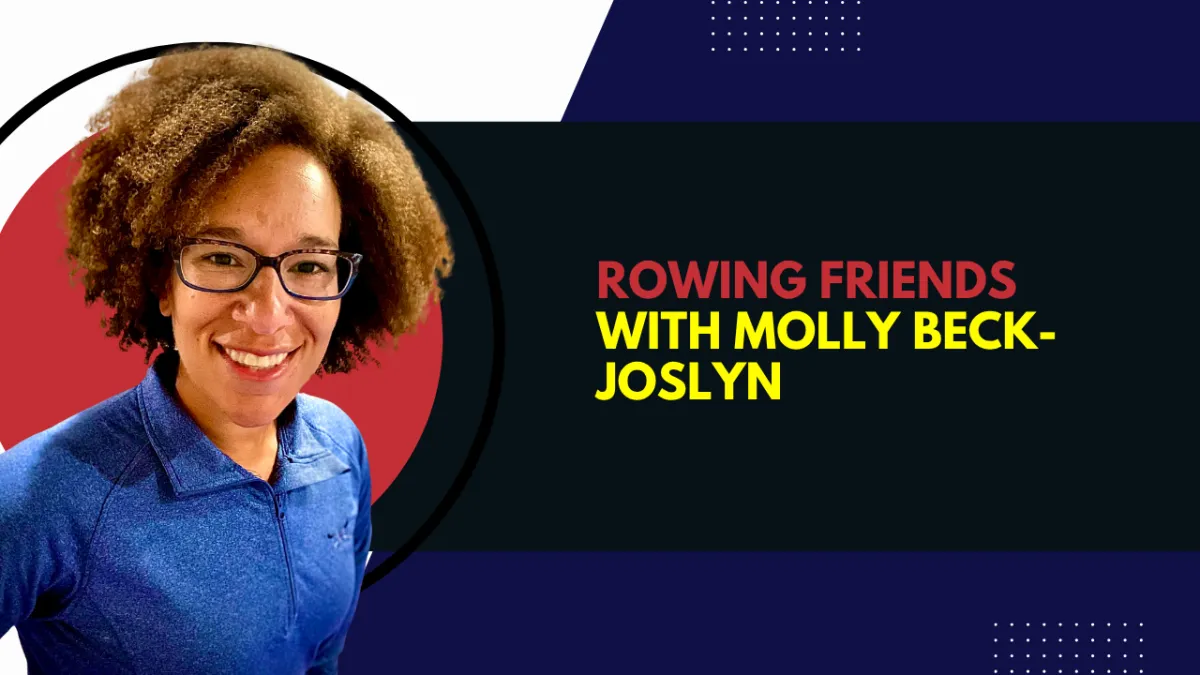
Rowing Friends with Molly Beck-Joslyn
What happens when the sport you loved as a young adult becomes something completely different when you experience it as a parent?
For Molly Beck-Joslyn, rowing has come full circle.
Molly first discovered rowing in high school, continued through college at the University at Buffalo, and eventually stepped away from the sport. Years later, her daughter started rowing—and Molly found herself back at regattas, volunteering, learning the sport from a new perspective, and reconnecting with the rowing community.
In this episode of Rowing Friends, we talk with Molly about her journey through rowing, what it's like to become a rowing parent, the unique community surrounding the sport, and the ways rowing continues to influence her life and career.
From Rower to Rowing Parent
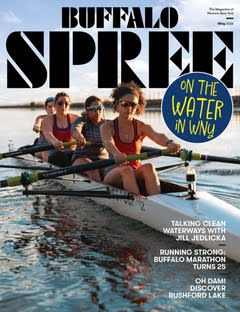
Molly began rowing at Buffalo Seminary and continued rowing during the summers with West Side Rowing Club. She later joined the University at Buffalo rowing team in 1999, during an important period of transition for the program.
She spent several years on the team, eventually redshirting her final year because of an injury. After college, she coached briefly at a local high school while in graduate school before largely stepping away from rowing.
That changed when her daughter began rowing at City Honors.
Suddenly, Molly was seeing a sport she knew well from an entirely different perspective.
As an athlete, she remembers simply showing up, rowing, competing, and spending time with teammates. As a parent, she has discovered everything that happens behind the scenes: organizing food and tents, traveling to regattas, volunteering, supporting the team, and navigating the many responsibilities that come with a parent-run rowing program.
And perhaps one of the biggest surprises?
Rowing might be one of the worst spectator sports.
There can be a lot of waiting, complicated logistics, and only a few opportunities during a regatta to actually see your athlete race.
But there's something special about being part of the community.
The Difference Between Being a Rower and Being a Crew Parent
Molly talks about how different rowing looks when you're watching from the shore instead of sitting in the boat.
When she was younger, parents weren't necessarily traveling to every regatta or building elaborate team tents. Now, rowing parents can be deeply involved in creating the experience for their athletes.
At City Honors, the rowing organization is parent-run, which means families contribute significant time and energy to keep the program going.
Molly has tried to stay somewhat behind the scenes, volunteering without becoming too involved in the decision-making side of the program. But she recognizes that as her daughter continues rowing, she may eventually have to become more involved.
She also appreciates something she didn't necessarily recognize as an athlete: rowing gives kids a level of independence.
Once the athletes get on the water, the parents can't coach from the sidelines. The athletes have to communicate, make decisions, and work together.
That independence is one of the things Molly values most about the sport.
Watching the Sport Through a New Lens
One unexpected benefit of becoming a rowing parent has been learning more about the technical side of the sport.
Molly says she's become fascinated by the engineering and physics behind rowing simply by watching her daughter.
Small details can make a significant difference.
And that led naturally into another part of the conversation: Molly's daughter's hip pain and how she was able to get help from Adrien, a physical therapist and fellow rower.
After connecting with Adrien, a small adjustment to her daughter's layback made a significant difference, and her hip pain resolved quickly.
For Molly, having access to someone who understands both physical therapy and rowing biomechanics made a meaningful difference.
When the Equipment Is Part of the Problem
Adrien shares a story about a young rower who was experiencing numbness approximately 15 minutes into practice.
The athlete had already seen a trainer who wasn't familiar with rowing and had been advised to stop rowing because of concerns about her back.
But Adrien looked at the situation from a rowing-specific perspective.
Instead of assuming the problem was entirely with the athlete's body, she asked an important question:
What was happening with the boat setup?
The seat configuration could have been contributing to nerve compression. After changing the boat, the athlete's symptoms disappeared.
It's a great example of why sport-specific knowledge can matter.
Sometimes the problem isn't simply an athlete's technique or physical condition. The equipment and environment can play a role too.
Molly's Career as a Psychologist
Molly went directly from undergraduate school at UB into a PhD program and has now been in private practice for approximately 16 years.
Her work has evolved throughout her career.
Early in her practice, she worked extensively with eating disorders, influenced in part by her dissertation work on eating disorders, yoga, and mindfulness.
Over time, she also developed expertise in perinatal health, working with women during pregnancy and postpartum.
Today, Molly primarily works with adults and sees a broad range of concerns, including:
Anxiety
Grief
Women's health
Perimenopause and menopause
Eating disorders
Athletes and athletic-related mental health concerns
She also works with people connected to major sports organizations and has seen firsthand how important mental health support can be for athletes and their families.
The Mental Health Side of Athletics
One of the bigger themes throughout the conversation is the growing recognition that athletes need mental health support just as much as physical support.
Athletes face enormous pressure, and that pressure doesn't necessarily disappear when the competition ends.
For collegiate and professional athletes, there can be additional challenges:
Moving away from home
Being separated from family
Managing intense training
Balancing academics or careers
Coping with injuries
Dealing with performance expectations
Navigating identity and purpose
Molly points out that sports culture has traditionally carried a lot of stigma around emotion and stress.
But that is changing.
More athletes are openly discussing mental health, taking time away when necessary, and acknowledging that taking care of their psychological well-being is part of being a healthy athlete.
What Rowing Taught Us About Life
One of the most meaningful parts of the conversation is the reflection on what rowing taught them beyond the sport itself.
Rowing requires organization.
It requires discipline.
And it requires commitment to other people.
Adrien remembers having to prepare almost every part of the next day the night before—food, clothing, transportation, school, practice, and everything in between.
But the motivation wasn't simply competition.
It was community.
You woke up at 4:45 in the morning because your teammates were counting on you.
You showed up because you didn't want to let your boat down.
And you learned how to structure your life around something bigger than yourself.
Molly remembers that same sense of community from her own time as a rower.
Even though rowing became a huge part of her identity, she also recognizes that stepping away from the sport meant figuring out who she was without it.
That's something many former athletes can relate to.
The Possibility of Returning to the Water
Molly hasn't completely ruled out getting back into a boat.
After having back surgery in 2018, she has had to be careful about what activities she participates in. She's experimented with rowing on the erg and is curious about whether she might eventually find a way back onto the water.
For now, she isn't focused on racing.
But she misses the water.
She misses the feeling of being out there.
And she still has a strong connection to the sport through her daughter and her rowing friends.
Maybe her next chapter in rowing won't look like her first one.
And that's okay.
The Power of Rowing Community
Near the end of the conversation, the group talks about how their podcast came to be.
The story begins with a boat.
Adrien acquired a double from Community Rowing Inc. that was essentially headed for the garbage. She called Kate to help transport it, and during the drive back from Albany, the two realized they had something they wanted to keep talking about.
They eventually started the podcast.
Since then, Rowing Friends has brought together former teammates, rowing parents, coaches, athletes, and people who remain connected to the sport in different ways.
And that's really what this episode captures.
Rowing doesn't have to end when your competitive career ends.
You can coach.
You can become a parent.
You can volunteer.
You can support young athletes.
You can reconnect with old teammates.
You can work with rowers as a professional.
Or you can simply cheer from the shore.
The relationship with the sport may change, but the community can remain.
A Conversation About Coming Full Circle
Molly's story is a reminder that our relationship with sports can evolve throughout our lives.
The person who once woke up before sunrise to row may eventually become the parent sitting on the shore.
The athlete may become a psychologist.
The teammate may become a friend you reconnect with decades later.
And the sport that once seemed like a simple college activity can become something that continues shaping your relationships, your career, your identity, and your community long after the racing ends.
Rowing changes as we do—but sometimes, it brings us right back to the people and places that helped shape us.
Connect with Molly

Molly Beck-Joslyn is a psychologist in private practice. To learn more about her services and professional background, visit beckjoslyn.com.
And if you're a University at Buffalo rowing alum interested in reconnecting with the alumni rowing community, the conversation also highlights the opportunity to connect with the UB alumni rowing team and participate in future alumni events.
Episode 64 of Rowing Friends is a conversation about rowing, friendship, parenting, mental health, community, and the unexpected ways a sport can stay with us for a lifetime.