
Why Injury Recovery Isn’t Linear: What Every Rower Needs to Know
Recovering from an injury can be frustrating, especially when you’re eager to get back on the water or return to the erg. One of the biggest misconceptions rowers have about getting better is that recovery should happen in a straight line.
In reality, injury recovery is rarely a linear process. You may feel better one day, experience a setback the next, and make progress again a few days later. Understanding this process can help you manage expectations, avoid pushing too hard, and give your body the time it needs to heal.
Injury Recovery Is a Rollercoaster, Not a Straight Line
When recovering from an injury, progress doesn't always look the way you expect. You might take three steps forward and four steps back, followed by several days of improvement before experiencing another setback.
These ups and downs can feel discouraging, but fluctuations in symptoms and ability can be part of the recovery process. A difficult day doesn't automatically mean you've lost all your progress.
The key is to look at the bigger picture rather than judging your recovery based on a single workout or how you feel on one particular day.
Instead of expecting constant improvement, give yourself room to experience the ups and downs while staying focused on your long-term goal: returning to rowing safely.
How Rowers Can Manage Setbacks During Recovery
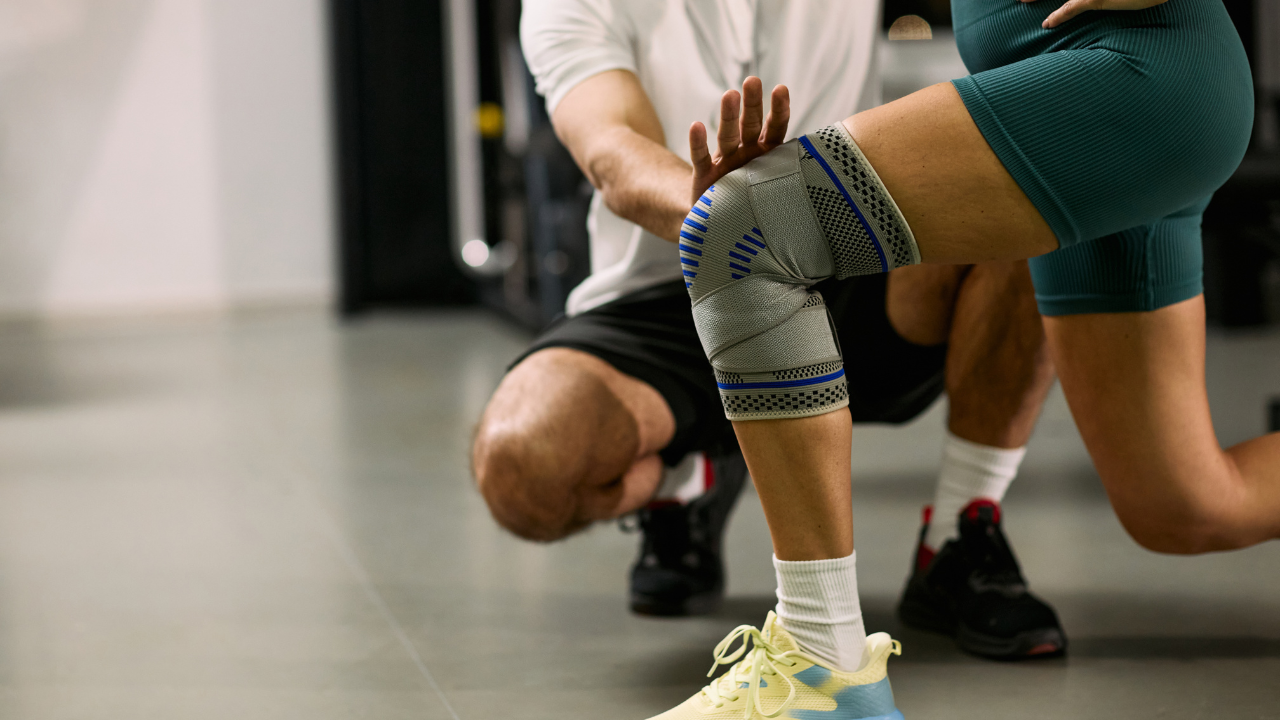
Although setbacks can happen, there are ways to support your recovery and avoid repeatedly pushing beyond what your body can tolerate.
1. Get Enough Rest
Rest is an important part of allowing your body to heal. When you're motivated to return to training, it can be tempting to do more than your body is ready for. However, pushing too hard may make it harder to manage your symptoms and activity levels.
Pay attention to how your body responds to exercise, and give yourself time to recover between activities.
2. Stay Hydrated
Hydration is another basic habit to maintain while recovering from an injury. Along with rest and an appropriate activity level, staying hydrated helps you maintain a consistent recovery routine.
3. Complete Your Exercises Regularly
If you've been given rehabilitation exercises, consistency matters. Follow your prescribed routine and pay attention to how your body responds rather than trying to rush through the process.
Your goal is to build back your capacity gradually, not to prove that you can do everything you did before your injury.
4. Keep Track of Your Activity and Progress
Tracking your exercises, training, symptoms, and how you feel afterward can help you recognize patterns over time.
For example, you may notice that increasing your training too quickly leads to more discomfort. Keeping a record can help you identify when you may need to adjust your activity and discuss your progress with your healthcare professional.
Find the Balance Between Doing Too Much and Too Little
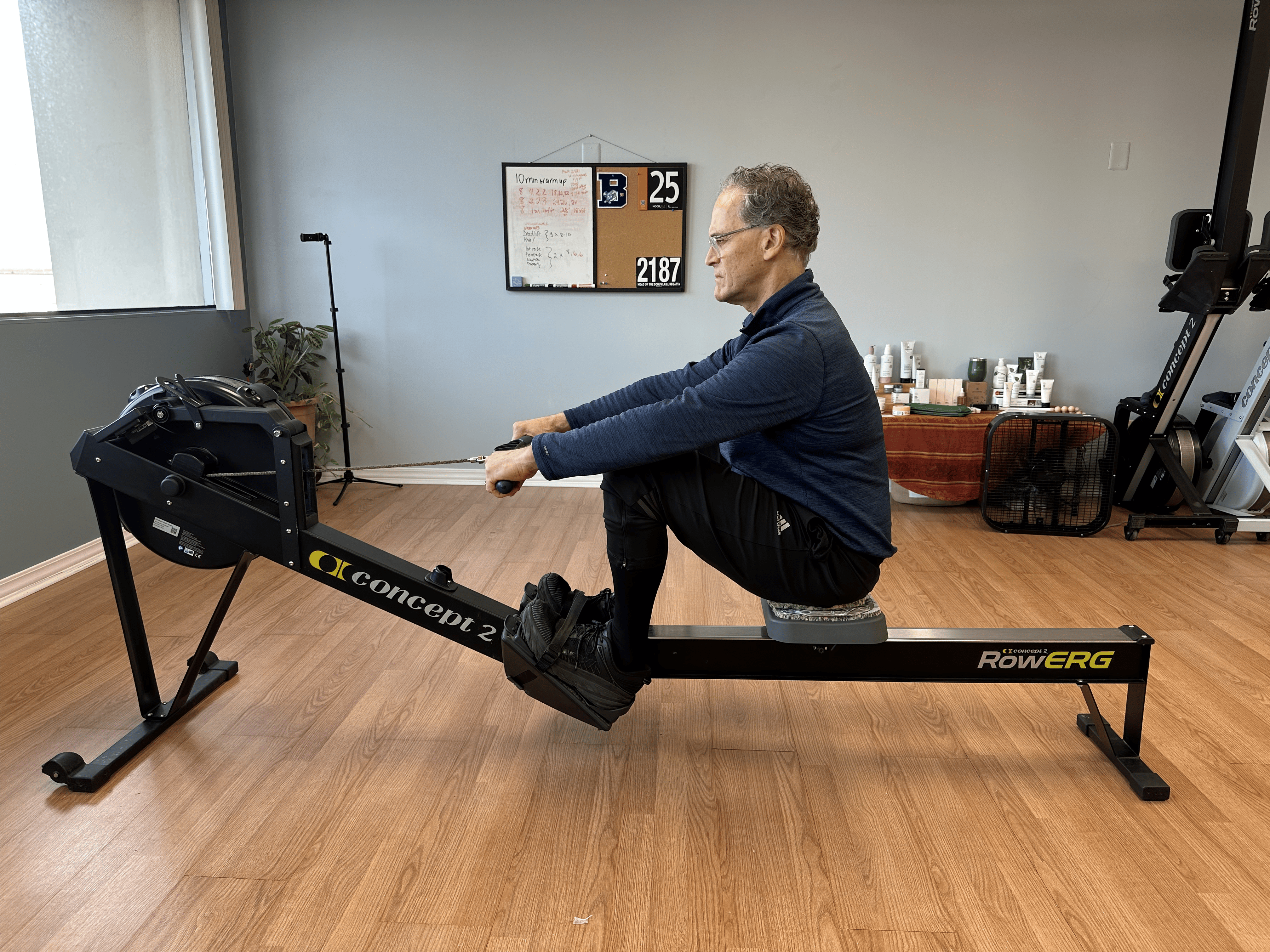
One of the biggest challenges when returning to rowing after an injury is knowing how much activity your body can tolerate.
You want to do enough to make progress without repeatedly exceeding your current limits. That means paying attention to your body's response, allowing time for recovery, and adjusting your activity when necessary.
When I work with my return to row clients I use a rowing protocol that incrementally increases rowing volume while listening to the injured area for feedback.
My rowers increase their volume in a manageable way decreasing the likelihood of a significant setback while getting back to the sport they love.
Give Yourself Time to Get Back to Rowing

Getting better doesn't always mean feeling better every single day. Progress may include difficult stretches, unexpected setbacks, and periods when improvement feels slow.
The important thing is to stay consistent with your recovery plan, manage your activity levels, and give your body time to heal. By understanding that recovery isn't linear, you can approach the process with more realistic expectations and avoid measuring success by every individual workout.
For rowers returning from injury, patience is part of the process. Focus on what your body can tolerate today while keeping your long-term return to rowing in mind.