
From Rehab to Rowing: The One Gap Most Athletes Don’t Plan For
One of the biggest gaps I see in rowing injury recovery?
It’s not the injury itself.
It’s not even rehab.
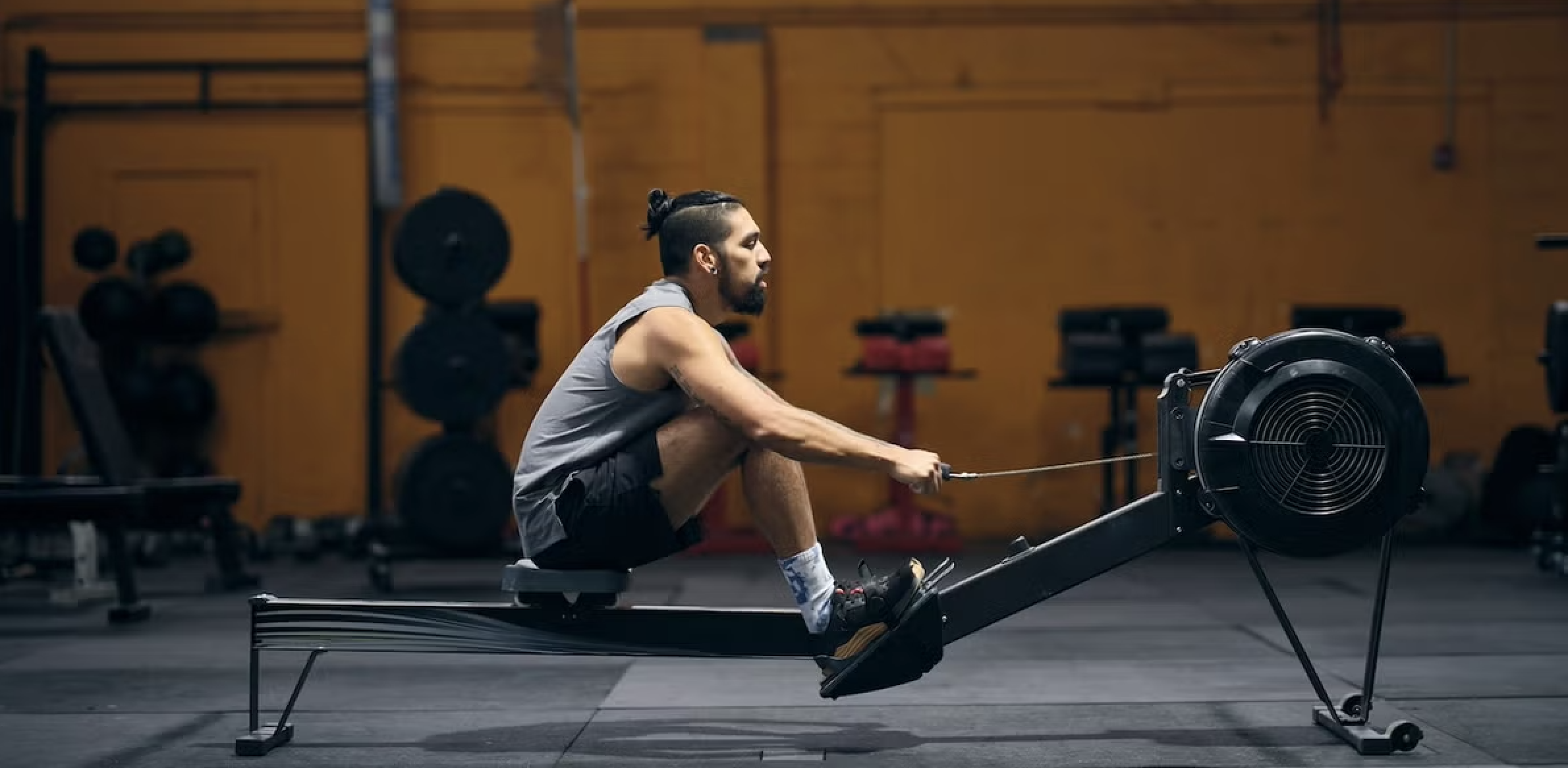
It’s what happens after rehab, when you’re technically “cleared”… but nowhere near ready to survive a full rowing practice.
If you’ve been injured and you’re trying to return to the boat, you already know this:
Physical therapy gets you back to “function.”
Things like walking, stairs, sitting, standing, working pain-free.
But what about 30 minutes on the erg?
What about drills, recovery sequences, timing with a team, rowing five days a week?
That’s a whole different level of demand.
And that “rehab-to-row” gap is where most rowers get stuck.
So what should you do instead?
Meter your return.
I don’t care how fit you were before the injury—your body needs small, measured exposures to the stroke again.
✅ Start with 5-minute intervals.
✅ Rest in between.
✅ Stretch. Check in with your body.
✅ Repeat.
You’re aiming for tolerance, not just time.
Over a few weeks, those 5-minute sessions can stack into 30-minute rows.
Eventually, you can string together 2… 3… even 5 days in a row—without pain, without setbacks.
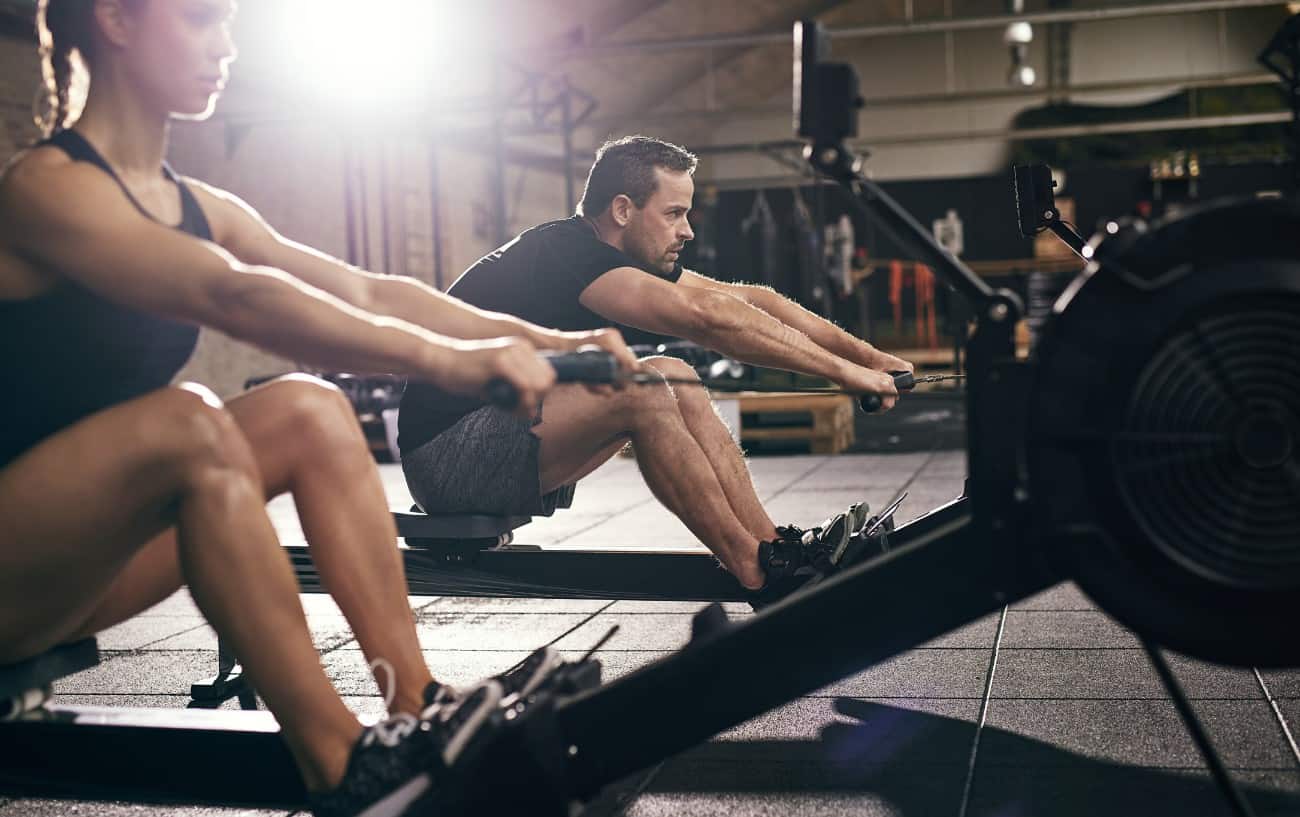
What about pain?
There’s a difference between soreness and the “Lego-level” pain I talk about with my younger athletes (you know the feeling—stepping on a Lego? THAT’s your red flag).
If you're noticing fatigue or mild soreness in the area, you're likely okay.
But sharp, stabbing, or worsening pain? That’s a sign to pause and reassess.
Key drills to support your comeback:
Pause drills to clean up positioning and check your mechanics
Mirror work or video reviews to spot compensations
Gradual build-ups that reflect real practice demands
And maybe most important? Communication.
Tell your coach how you’re feeling. Don’t wait until you’re miserable or skipping practices again. You’re not being a burden—you’re being a smart athlete.
If you’re stuck in the “two days on, two days off” cycle and can’t seem to break through…
I’ve been there with clients many times. You’re not alone—and you don’t have to figure it out solo.
Let’s make your return to rowing smarter, steadier, and stronger.
If you need assistance with getting your training on track as you age check out Square Performance, Rowing on the Square's training performance community!